Why Automation Matters in the Chemical and Petroleum Product Storage & Logistics Industry
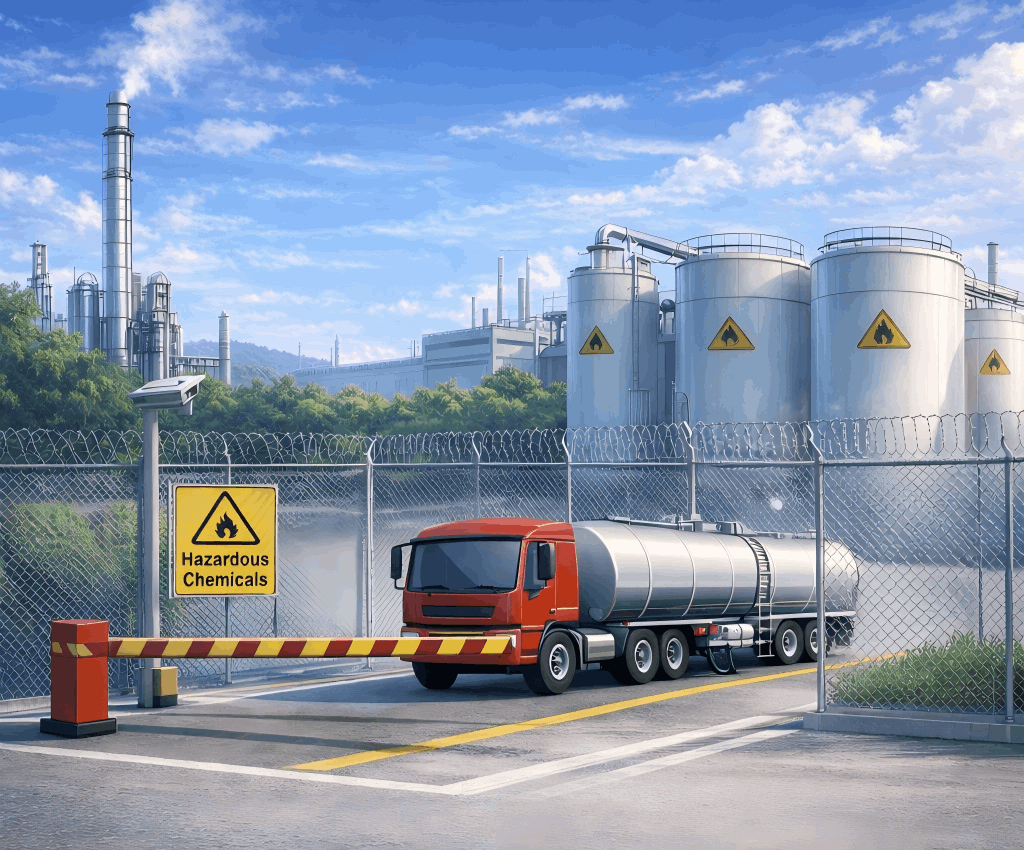 Standardized automated processes and human supervision for inbound and outbound tank-truck loading and unloading in chemical storage and logistics — making production safer and management more efficient. Standardized automated processes and human supervision for inbound and outbound tank-truck loading and unloading in chemical storage and logistics — making production safer and management more efficient.
When Autower-Group integrates tank-truck loading control systems for the chemical and petroleum product storage and logistics industry, why does it place such emphasis on safety and process automation — including, where weighbridge metering requirements apply, the importance of unattended weighbridge operation — avoiding human participation in the physical operations wherever possible and limiting the human role to supervision? We believe this reflects two independent lines of logic working in tandem: one is safety, the other is metering and integrity. Both lead to the same destination — reducing direct human operation. |
I. The Safety Logic: The Human Is the Weakest Link in the Loading Process
Loading of chemical and petroleum products is a typical high-risk, high-consequence operation. The media are flammable, explosive, and toxic; any overfill, electrostatic discharge, or mishandling can lead to fire or explosion. Moreover, the critical steps in this process — connecting the static grounding clamp, confirming the loading arm is properly seated, controlling flow rate, watching liquid level, and preventing overfill — are precisely the kind of repetitive tasks that invite fatigue and experience-based shortcuts.
Historically, more than 250 ignition incidents caused by static electricity during tank-truck loading were recorded in the United States and Germany alone between 1960 and 1981 (HazardEx).
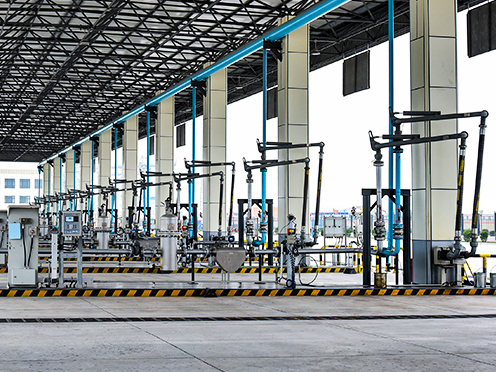
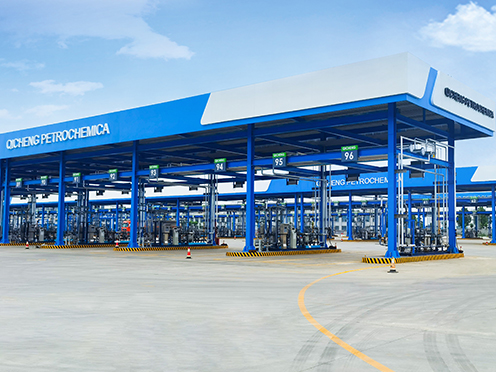
Practice in China already points to the answer. Most refining and chemical companies in China have retrofitted their preset loading systems with an “eight-interlocks” controller, a static discharge controller that detects poor grounding, and an overfill protector that automatically interlocks and stops loading in the event of overfill or improper loading-arm connection. The official formulation is “minimizing human interference.”
Under standards such as SH/T 3184, the anti-static overfill protection interlock follows a “detect – judge – actuate” loop. In essence, steps that once relied on the operator’s conscientious confirmation are transformed into machine-enforced requirements. An interlock will not waive a check out of courtesy, nor will it turn a blind eye to meet a shipping deadline.
The essence of “de-manning” at the safety level is therefore this: safety rules are hardened from administrative procedures into physical constraints. A person may fail to follow a procedure, but it is very difficult to bypass an interlock.
 |
 |
II. The Metering Logic: The Weighbridge Is Where the Money Changes Hands — and Wherever People Participate, There Is Room for Rent-Seeking
A weighbridge is a legally mandated, verified measuring instrument for trade settlement, and its readings translate directly into real money. The human risk at this stage is not careless error but deliberate fraud — and a complete black-market industry chain has already formed around it.
Consider the weighbridge-tampering black market exposed this year: once a remote-control chip is installed, pressing the A, B, C, or D key on a handheld remote can arbitrarily increase or decrease the displayed weight, and the discrepancy on a single bulk transaction can reach tens of thousands of yuan.
An even more telling case was investigated by railway police: a scrap-metal recycler bribed weighbridge operators and implanted a “cheating program” into the weighing process. Over five years the ring stole more than 1,800 tonnes of scrap material, with losses exceeding four million yuan. Insider-outsider collusion is the extreme form of “human participation in operations.”
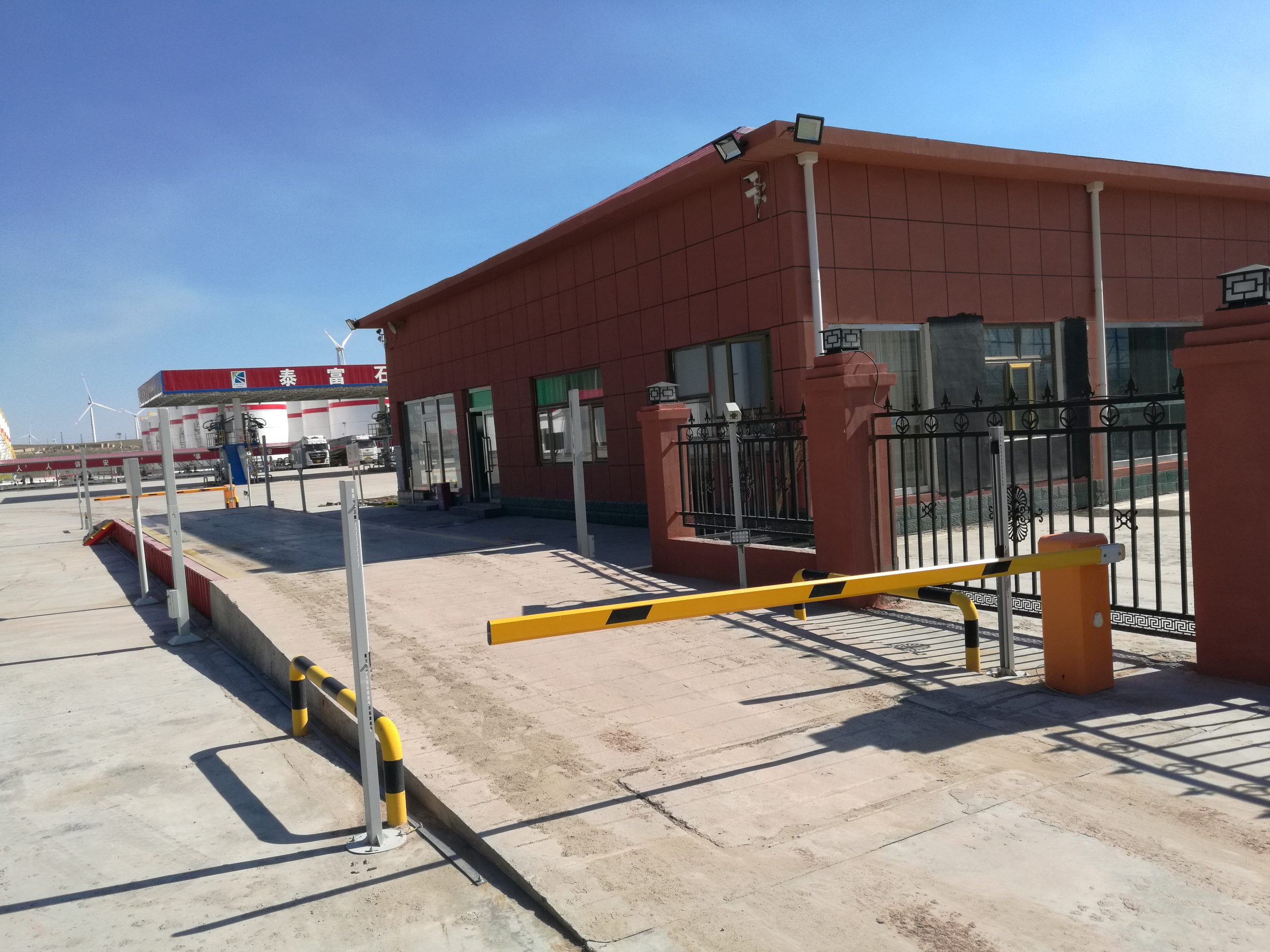
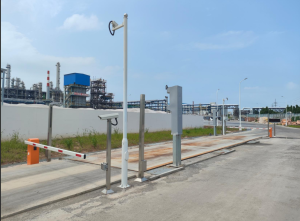
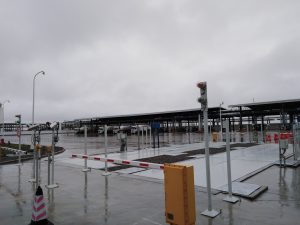
That is why the design logic of Autower-Group‘s unattended weighbridges seals off the loopholes layer by layer: automatic license-plate/RFID recognition binds the vehicle to the order → infrared beams guard against partial platform coverage and against people getting on or off the truck → tare-weight fluctuation monitoring locks the record and raises an alarm on any anomaly → anti-remote-control detection raises alarms → video capture covers the entire process → data is encrypted and logs are tamper-proof. With no person on site, there is no “interface” for fraud; with data flowing into the system automatically, there is no “window” for altering figures either.
 |
 |
III. The Governance Logic: From “People Managing People” to “Systems Managing Processes”
The idea of “standardizing processes and guarding against management loopholes” is essentially a third layer:
| Manual Operation Mode | Automation + Human Supervision Mode |
| Execution quality depends on individual condition and personal diligence | Every step is enforced to completion against the same standard |
| Data depends on transcription and relay, and can be embellished | Data is collected automatically, leaving a fully traceable record |
| Supervisor and supervised may collude | Human and machine check each other; anomalies surface automatically |
| When something goes wrong, accountability relies on after-the-fact recollection | Logs, video, and weighbridge tickets pinpoint responsibility directly |
The case of one petrochemical enterprise illustrates this well: whenever the cross-check discrepancy among manual tank gauging, the truck scale, and the flowmeter exceeds 0.5%, an investigation is triggered. Such cross-validation is possible only when all the data is collected automatically.
IV. Why People Are Retained — and Why Only in a Supervisory Role
AUTOWER-GROUP believes automation does not eliminate people; it elevates them from “operators” to “referees”:
- The system itself has failure modes — sensor drift, instrument faults, network or software anomalies — and human judgment is needed as the backstop.
- Exception handling requires authorization. Whether to release a load after a tare-weight alarm, or whether to reset after an interlock alarm, are discretionary decisions left to people — usually requiring approval at a higher level. This is in fact more tightly controlled than the old model in which a single operator had the final say.
- The measuring instruments themselves need maintenance. Periodic verification and seal management of weighbridges remain statutory requirements. What people manage is “the integrity of the scale,” not “the result of every single weighing.”
Conclusion
Autower-Group believes this trend is not simply about “guarding against people.” It is about handing deterministic work over to systems and focusing human attention on exceptions and supervision. In return, the enterprise gains intrinsic safety on the safety side; plugs metering fraud and integrity risks on the commercial side; and as a bonus, improves efficiency — after one petrochemical enterprise converted its rail scale to unattended operation, the weighing time per wagon was reduced from three minutes to under ten seconds.